
Digitalisation isn't only shaping the future of business travel, but the present as well. Technology is already making trips more efficient, cost-effective, and sustainable.
So far, digitalisation has predominantly impacted logistics and expense management. Going forward, we expect business travel to become smarter, greener, and more automated, but do not envisage physical travel or in-person meetings becoming fully digitised.
How far have we come?
The pace of digitalisation has been quick. Intuitive chatbots and apps now provide real-time updates on flights, delays, and restrictions. Contactless check-ins, biometric security, and mobile passports speed up airport processes.
Smart expense tracking and AI-driven policy compliance are reducing administration. Expense management has been partially digitised, with virtual credit cards and automated expense reporting reducing paperwork even further.
Technology is enabling corporates to monitor their carbon footprints and offset emissions. It’s also enabled TMCs to offer sustainability-related services including offering greener travel options.
Digitalisation has enabled TMCs to enhance their services and meet the evolving needs of modern travellers.
Their adoption has seen multiple partnerships between TMCs and travel technology providers to create seamless platforms that streamline the travel process. TMCs can now leverage data analytics to create more personalised services and travel experiences. And, by using AI to automate routine tasks, reduce manual intervention and cut costs.
Booking processes
Booking processes are now almost fully digitised. Around 80% of UK companies now use online booking tools, with the latest and greatest generation featuring travel policy integration features.
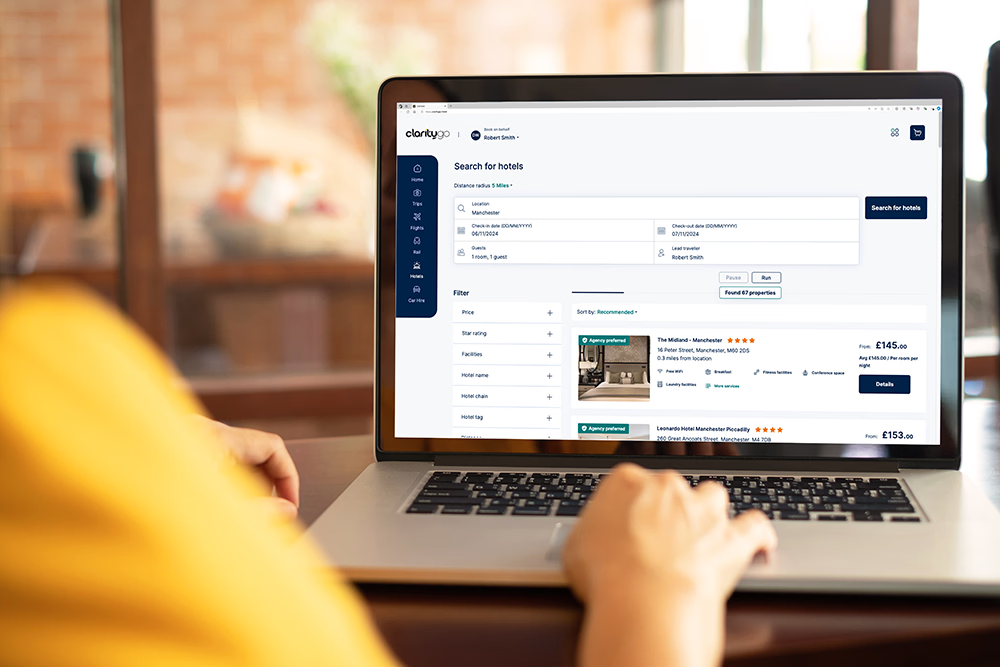
Our ClarityGo online booking platform is a great example. It’s a one-stop-shop for accommodation, flights, rail and car hire. With access to more than 1,000,000 hotels, ClarityGo is agile, incredibly responsive and ensures our clients always get the best price and value on the day.
Video conferencing has transformed meetings and is now part of everyday business life. Meeting planning tools like our powerful MeetingsPro have done the same for the meeting planner by putting control in their hands. Functionality like live availability searches, direct booking and manage meetings, co-exist with a 360 degree view of meetings pend, preferred venues and policy guidelines, all in one place.
For all this progress however, the booking process can never be fully digitised. Technology delivers speed and efficiency, but it takes a nuanced understanding of clients’ needs to deliver a deeply personal service. That’s why, at Clarity we believe in striking the right balance between people and tech.
What does the future look like?
In the years ahead, we will see more AI-powered automation as predictive analytics optimise travel costs and efficiency. Automation will also drive a greater focus on sustainable travel solutions
Blockchain and smart contracts may also simplify travel payments, expense approvals, and compliance. But whilst the metaverse and virtual reality may replace some travel needs but won’t fully replicate human experience.
Whilst business travel has digitalized logistics and expense management, a physical presence is still valued for networking and high-stakes meetings. Future advancements will make travel smarter, greener, and more cost effective, but full digital replacement is unlikely.
Business travel is becoming more automated, personalised, and sustainable. The key drivers - AI, big data, biometrics, and green travel initiatives. These concepts and innovations will transform how companies plan, and employees consume business travel, making it more efficient and environmentally friendly - but they won't be the only drivers. Partnerships, people and process improvements also have a significant role to play to drive forward improvements in travel management.